Data & analytics infrastructure
Ingestion pipelines, structured databases, ratio and cohort modeling, and the reporting layer on top. We take responsibility for whether the number is right, not only whether the chart renders.
Services
These are the ways we engage — most commonly as the engineering partner behind a trade association's member data platform, from first assessment through years of operation.
Ingestion pipelines, structured databases, ratio and cohort modeling, and the reporting layer on top. We take responsibility for whether the number is right, not only whether the chart renders.
Production systems built for a specific operating reality — member portals, reporting platforms, internal tooling, and integrations between systems never designed to talk.
We operate as your engineering team: named engineers, an agreed roadmap, and direct access — no account layer between you and the people building.
Quarterly data loads, vendor API changes, dependency upgrades, monitoring, and the new capabilities demand surfaces after launch. The system is still trusted in year four because someone kept running it.
We don’t publish a rate card. Scope drives cost far more than hours do, and a quarterly regulatory ingestion pipeline is priced nothing like a single device integration. Tell us what the system has to do and we will come back with a shape, a sequence, and a number.
Beyond associations
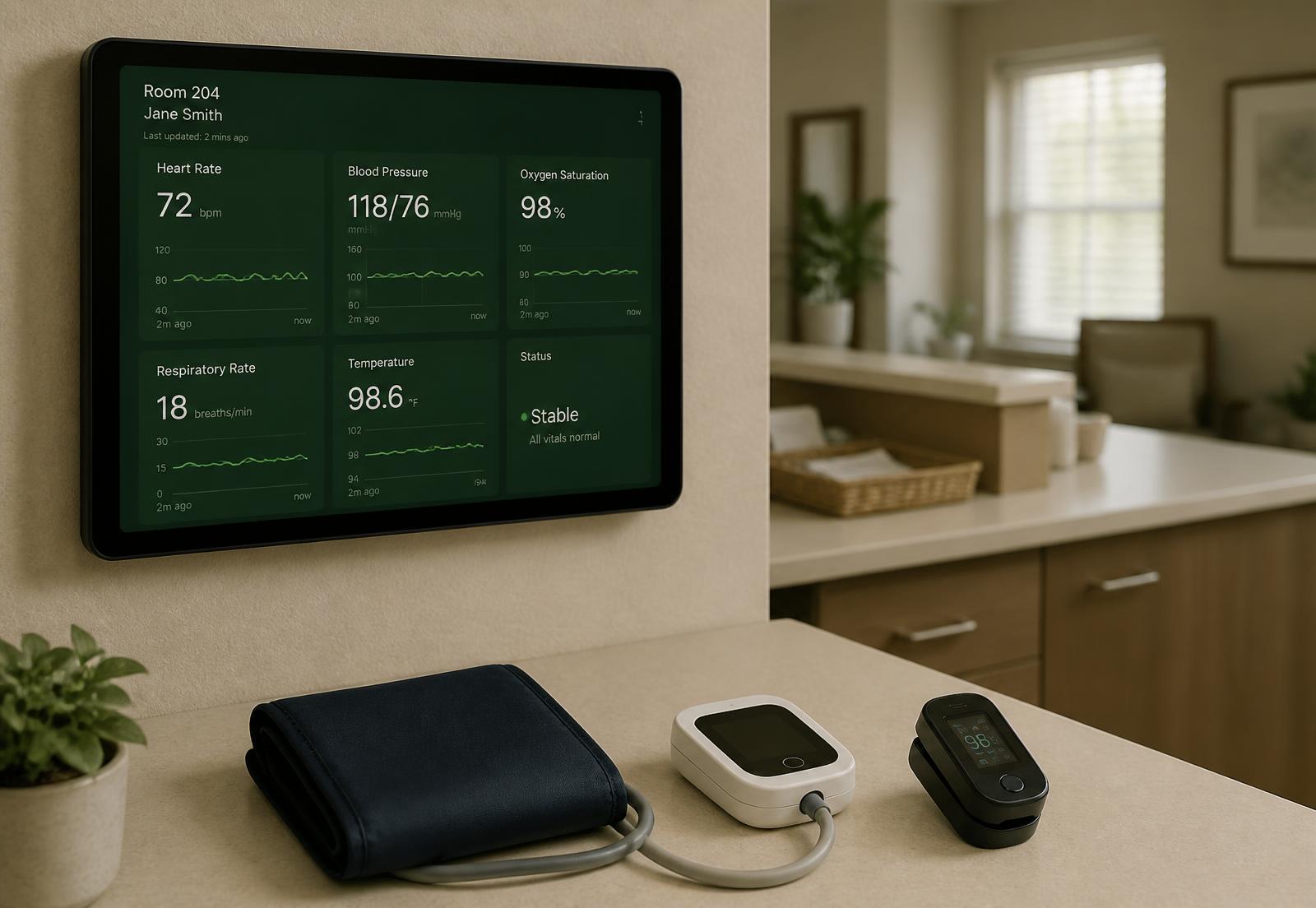
UpTahr builds production software for individual operators and technology companies too. We delivered the automated vitals-capture and documentation platform for EMA Telemed [CONFIRM exact attribution wording before publishing]: FDA-cleared Bluetooth devices through a secure gateway, written directly into the resident chart in PointClickCare’s EHR, HIPAA compliant end to end, at 99.9% documentation accuracy. It is here as evidence of technical range in regulated environments.
Tell us what the software has to do, who depends on it, and what happens when it is wrong. We will tell you plainly whether we are the right team.